
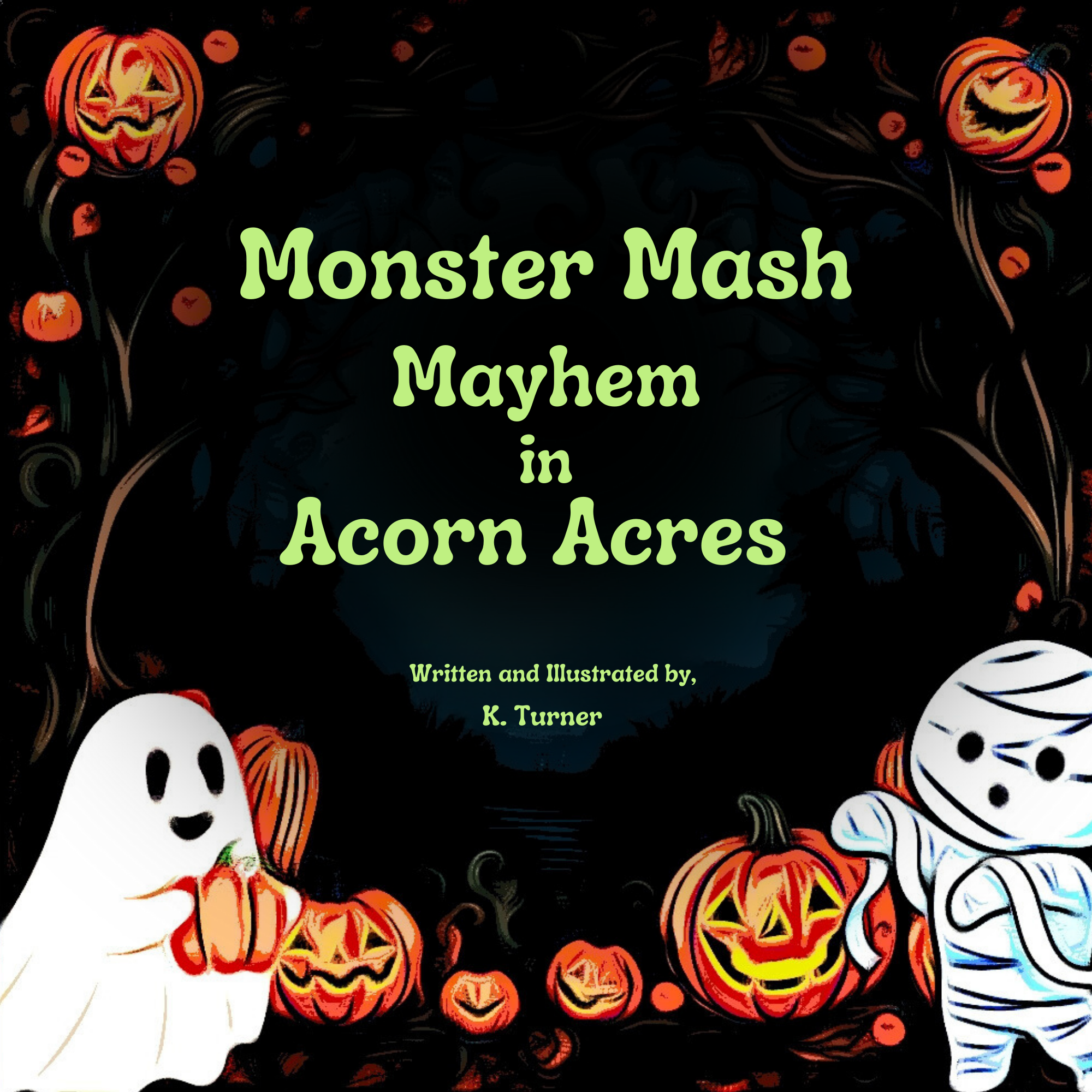
Ah, the age-old question: where do authors conjure their fantastical worlds, compelling characters, and intricate plots? It’s a question that plagues aspiring writers and fascinates avid readers alike. The truth is, there’s no single, universal answer. Inspiration, like a mischievous elf (like the one found in my book ‘Monster Mash Mayhem in Acorn Acres‘), can spring from the most unexpected places.


The Tapestry of Experience
One of the richest sources of inspiration is, undoubtedly, life itself. Authors are keen observers (a.k.a. people watchers), absorbing the world around them like sponges.
- Personal Experiences: A childhood memory, a heart-wrenching loss, a moment of pure joy – these experiences can form the emotional core of a story. An author might transform a fleeting encounter into a pivotal plot point, or use their own struggles to create relatable, authentic characters. After all, a writer cannot write what they do not know.
- Observations of Others: Eavesdropping on conversations (in a non-creepy way, of course!), watching people interact in public spaces, and simply paying attention to the nuances of human behavior can provide a wealth of material. The way someone gestures, their tone of voice, the look in their eyes – these details can breathe life into fictional characters. My youngest son actually gets credit for my first book. It was his behavior that inspired me to write ‘I’m So Mad at That Bear‘, a children’s book about learning responsibility.
- Travel and Exploration: Stepping outside of one’s comfort zone and exploring new places can ignite the imagination. Different cultures, landscapes, and ways of life can spark fresh ideas and provide unique settings for stories. Even something as simple as researching a place you’ve never been to can lead to unexpected ideas.
The Realm of Imagination
While real-life experiences are crucial, authors also rely heavily on their imaginations.
- “What If?” Scenarios: This simple question is the beginning of many great stories. “What if a young wizard discovered he had magical powers?” “What if a lone survivor had to rebuild civilization after an apocalypse?” These thought experiments can lead to complex and captivating narratives.
- Dreams and Daydreams: The subconscious mind is a fertile ground for creativity. Dreams, with their surreal imagery and illogical narratives, can provide inspiration for unique plot twists and atmospheric settings. I’ve had several dreams that have led me to write stories. One of them being ‘Burning Vengeance‘, my first horror novel. I had a dream about a witch discovering her powers, and that triggered my brain to concoct the entire plot of that book. Daydreaming also allows authors to explore magical worlds and create characters without the constraints of reality.
- Other Works of Art: Books, movies, music, and paintings can all serve as sources of inspiration. An author might be inspired by a particular theme, character archetype, or narrative structure. However, it’s crucial to draw inspiration without plagiarizing. Please be respectful of others’ artistic talents.
- Research and Exploration: Many authors do extensive research to build realistic and believable worlds. Historians, scientists, and other experts can provide valuable information that adds depth and authenticity to stories. Reading non-fiction also stimulates the creative process.
- The Power of Curiosity: A large part of being an author is being curious. Asking questions, wanting to know more, and being open to new ideas are key for any writer.
The Process of Crystallization
Inspiration is just the beginning. The real magic happens when an author takes that spark of an idea and transforms it into a fully formed story. This process often involves:
- Brainstorming: Jotting down ideas, creating character sketches, and outlining plot points.
- Experimentation: Playing with different perspectives, narrative styles, and genres.
- Revision: Refining and polishing the story until it shines. Sometimes several times, so make sure you like what you’re reading because you will be reading it multiple times before the public ever lays eyes on your work.
Ultimately, the source of inspiration is as diverse as the authors themselves. Whether it’s a fleeting glimpse of a stranger, a vivid dream, or a deep dive into historical research, the muse can strike at any moment. The key is to be open to the possibilities, to nurture your curiosity, and to never stop asking “what if?”
So now that you know, go out into the world (or into your dreams) and seek out inspiration. Then…get writing. Let the world hear your story!

Discover more from K. Turner
Subscribe to get the latest posts sent to your email.
